Dr. Max Wintermark Interviewed by Dr. Abdullah Alqabbani
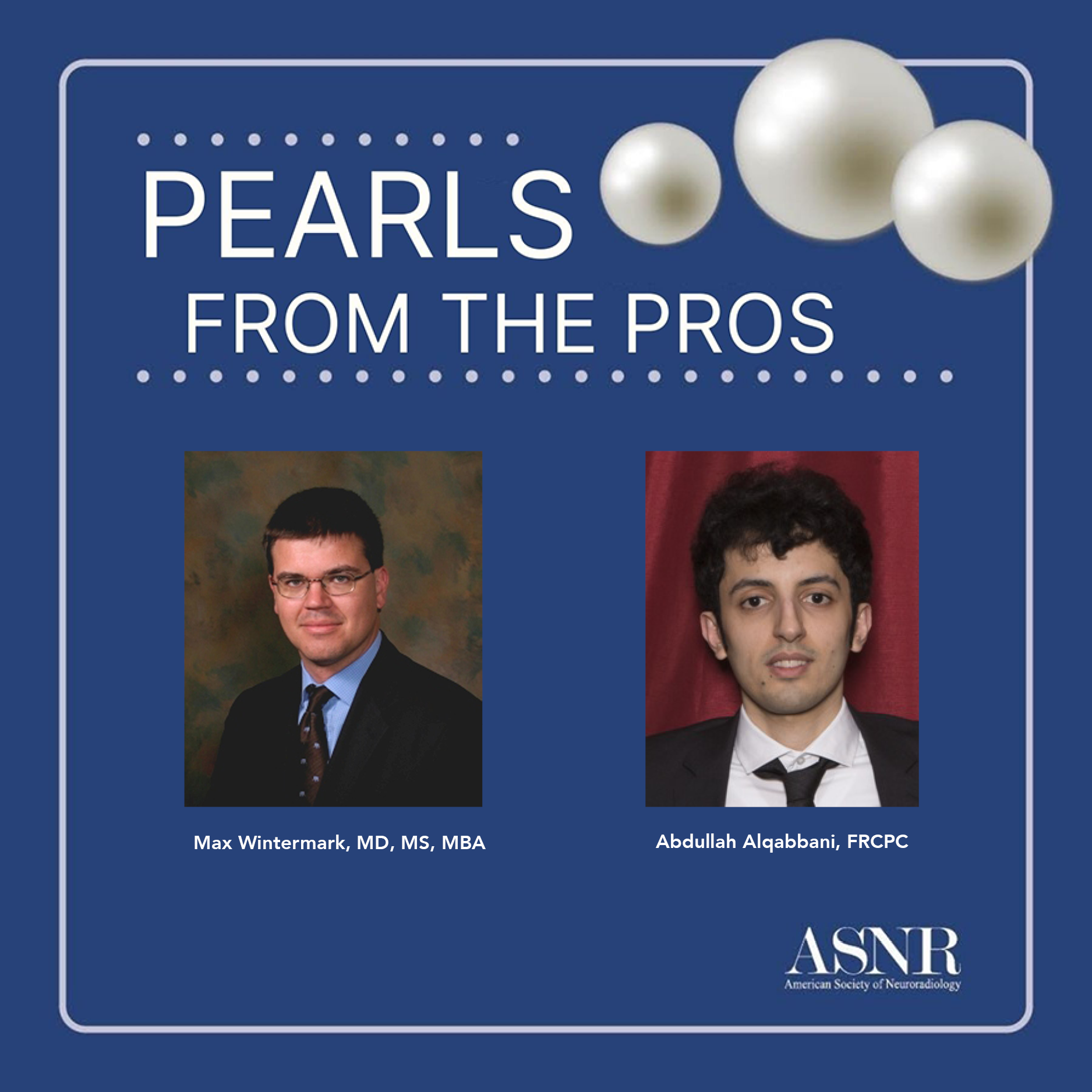
Dr. Max Wintermark, Professor and Chair of Neuroradiology at The University of Texas MD Anderson Cancer Center, served as the 2024-2025 President of the American Society of Neuroradiology (ASNR) and is the Editor-in-Chief of the American Journal of Neuroradiology (AJNR). Renowned for his research in advanced neuroimaging techniques for stroke, traumatic brain injury (TBI), brain tumors, and psychiatric disorders, Dr. Wintermark has earned accolades, including the ASNR’s Outstanding Contribution to Research Award. In this interview, he shares insights on leadership, professional involvement, advocacy, and research in neuroradiology, offering guidance for aspiring professionals.
What is the most important leadership lesson you’ve learned from your presidency of the American Society of Neuroradiology?
The most critical leadership lesson from my ASNR presidency is the importance of serving members by actively listening to their evolving needs. The neuroradiology field is dynamic, with younger professionals bringing fresh perspectives that shift organizational priorities. Effective leadership requires adapting to these changes by engaging members through surveys, open forums, and direct outreach to understand their challenges, such as workload pressures or access to cutting-edge tools. By addressing these concerns—whether through tailored education programs or policy advocacy—the ASNR remains relevant and impactful. This member-centric approach fosters trust and ensures the society evolves with its community, balancing tradition with innovation to support all generations of neuroradiologists.
What advice do you have for young professionals looking to become more involved in the ASNR?
Young professionals should engage early with the ASNR to build a meaningful career trajectory. Start by responding to the annual volunteer call for committee roles, which offer diverse opportunities like education, research, or policy. Experiment with different committees to discover your passion—whether it’s shaping guidelines or advancing imaging standards. My own path began with committee membership, including the research committee, where I evaluated grant applications; I then progressed to vice chair, and later chair of the research committee. This stepwise involvement builds skills, networks, and visibility, potentially leading to board positions or ASNR presidency. Active contribution not only strengthens the ASNR but also accelerates personal growth and leadership in neuroradiology.
How do you think we can advocate more effectively for our profession?
To advocate effectively for neuroradiology, we must strive for excellence beyond basic competence, leveraging our unique imaging expertise to enhance patient care. By delivering precise, impactful diagnoses, we earn respect from our clinical colleagues, who end up depending on our skills. Education is key: we should train the next generation to maintain this standard and inform colleagues about imaging’s critical role in diagnosis and treatment planning. Additionally, pioneering research into novel techniques elevates our value. This triple focus on clinical excellence, educating the next generation of neuroradiologists and innovative research ensures neuroradiology remains indispensable, securing recognition and influence across healthcare.
How do you identify and develop a good research question?
A strong research question stems from identifying gaps in clinical practice through close collaboration with colleagues. Engage with neurologists, neurosurgeons, and oncologists to pinpoint unmet needs. These interactions reveal knowledge gaps that form the basis of relevant research. Refine the question by ensuring it addresses a specific clinical need, is feasible to study, and has potential to improve outcomes. This approach ensures research is practical, impactful, and directly tied to enhancing patient care.
What is the most important element in conducting research?
Multidisciplinary collaboration is the cornerstone of impactful research in neuroradiology. Engaging experts like neurologists, neurosurgeons, physicists, and biostatisticians brings diverse perspectives that refine research questions and methodologies. This teamwork identifies potential flaws, enhances innovation, and ensures clinical relevance. Regular discussions foster ideas, like integrating AI for faster diagnostics. Collaborative approaches not only strengthen research quality but also build networks that amplify its real-world impact, ultimately advancing patient care and the field.