2026 Gold Medal, Honorary Member, Outstanding Contributions in Neuroradiology Education, and Outstanding Contributions in Research Award Recipients
The 2026 ASNR Awards Committee, chaired by chaired by Max Wintermark, MD, has selected the following as recipients of the ASNR 2026 Annual Awards.
ASNR Awards Laurie Loevner, MD, with the 2026 Gold Medal
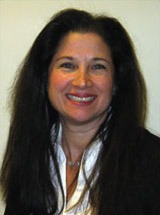
Dr. Laurie A. Loevner graduated from Brandeis University with honors (Biology), followed by the University of Pennsylvania School of Medicine. She did her internship in Internal Medicine at Penn, her radiology residency at the University of Michigan, and her two-year fellowship in Neuroradiology back at Penn where she subsequently joined the faculty.
Dr. Loevner’s academic career has been devoted to the development and utilization of novel MR technology and data processing tools to investigate a spectrum of neurologic and oncologic diseases including the study of pathophysiology, genetics, micro-environments around tumors, disease progression, and providing prognostic information in oncologic patients. She rose quickly to Professor of Radiology and has appointments in the departments of Neurosurgery, Head and Neck Surgery, and Ophthalmology. Dr. Loevner is the Chief of the Division of Neuroradiology for the University of Pennsylvania Health System (2013-pr) and oversees their clinical operations, educational programs, and their focused neuroradiology research core which she developed.
She has served as the Vice Chair of the Head and Neck/Neuro Oncologic Committee at the American College of Radiology Image Network (ACRIN), and she is a Past-President of the American Society of Neuroradiology (2015), the American Society of Head and Neck Radiology (2010), and the Eastern Neuroradiological Society (2002). She received the Gold Medal from the ASHNR in 2019.
Dr. Loevner has served on numerous committees of multiple national societies including ISMRM, ACR, ASHNR, ENRS and the RSNA where she chaired the education committee, the neuroradiology/head and neck refresher course program, and served as the neuroradiology editor for RadioGraphics for over a decade. She has served on every committee of the ASNR and chaired many of them during her career. She is the 2015-2016 Past President of the ASNR and her 2015 Annual Meeting was a groundbreaking, patient-centered event with an attendance of 2,200+, including 106 patients speaking and attending. Dr. Loevner is Co-Chair for the Foundation of the American Society of Neuroradiology (2015-pr) and during her tenure has secured more than $8,000,000 in donations to the Foundation. She also spearheaded a collaborative partnership between the Foundation and the Alzheimer’s Association, and an additional $600,000-$800,000 is brought in each year because of this partnership.
Dr. Loevner has a focused body of research in head and neck cancer with funding from the NIH, national medical societies, as well as industry. The Canadian Radiologic Society awarded her the “Prize of Innovation and Excellence of Dr. Jean A. Venzia” (2012) for her body of MRI research in head and neck cancer. She has years of experience with clinical trials – most recently serving as PI at the University of Pennsylvania for phase 2 and 3 trials as well as the global coordinating investigator of the PICTURE Trial for the investigation of a new gadolinium-based MRI contrast agent developed by Guerbet.
Dr. Loevner has over 200 publications, dozens of chapters, and six textbooks. She takes pride in developing the next generation of radiology clinicians, investigators, and leaders. She has been instrumental in the mentoring and development of women radiologists. She has mentored too numerous to count trainees and faculty, including multiple Radiological Society of North America trainee grant recipients, as well as having served as the primary mentor on multiple individual NIH trainee grants.
Dr. Loevner is a highly respected educator, invited to give over 600 invited lectures nationally and internationally, and has received multiple teaching awards. She is a renowned clinician known for her unique patient-doctor relationships and her clinical expertise has been recognized by multiple awards including the IS Ravdin Master Clinician Award (2010) given to one doctor annually throughout the University of Pennsylvania Health system, as well as annual recognition in Best Doctors in America and Top Doctors in Philadelphia magazine since 2002. She is a founding member of the Academy of Master Clinicians at Penn (2013), which she now Co-Chairs. This is the highest clinical award in the health system recognizing 0.25% of physicians for their professionalism, clinical mastery, commitment to patients, and mentoring of trainees.
ASNR Awards Luca Saba, MD, with the 2026 Honorary Member Award
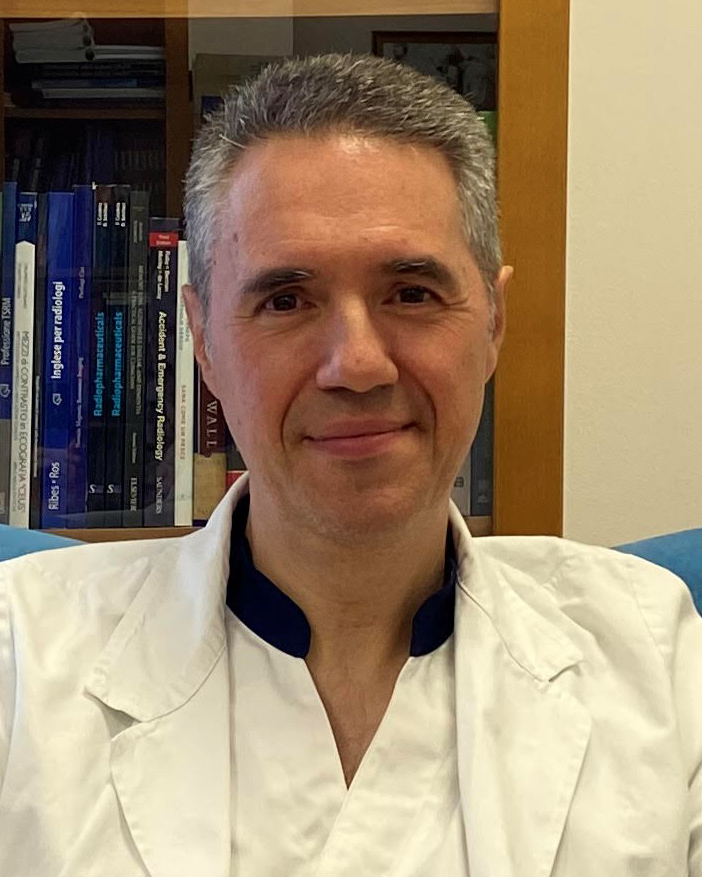
Dr. Luca Saba is Full Professor of Radiology and Chairman of Radiology at the University of Cagliari (Cagliari, Italy), and Chair of the Department of Medical Sciences and Public Health. From September 2021 through June 2024 he served as Dean of the School of Medicine, and he continues to lead academic and clinical programs that integrate advanced imaging with multidisciplinary care and research. He holds international academic appointments as an Adjunct Professor at Emory University School of Medicine (Atlanta, USA) and as a Research Collaborator at Mayo Clinic (Rochester, USA).
Dr. Saba completed his Medical Degree at the University of Cagliari (magna cum laude) and trained in Radiology through a Residency program at the same institution (magna cum laude). Over the years he has combined clinical neuroradiology practice with a strong methodological focus on imaging biomarkers and quantitative approaches to disease characterization.
His research centers on neuroradiology and neurovascular imaging, with particular attention to carotid atherosclerotic plaque characterization and vulnerability, advanced neuroimaging techniques and the translation of advanced CT and MR techniques into clinically meaningful decision support. A consistent theme across his work is the shift from stenosis-centric assessment to individualized risk profiling through multiparametric plaque imaging, quantitative analysis, and artificial intelligence.
Dr. Saba has an extensive scientific track record. He has delivered and co-authored more than 300 presentations at major national and international meetings and has contributed widely to education and reference works in CT, MR, vascular imaging, and neurodegenerative disorders, including the editorship of 17 books. He is the author of more than 900 full-length peer-reviewed articles as lead author, published in journals including AJNR, The Lancet Neurology, Radiology, Circulation, Stroke, European Journal of Radiology, European Radiology, and AJR.
In addition to his scholarly work, Dr. Saba has long-standing service in editorial and professional leadership roles. He is Editor-in-Chief of The Neuroradiology Journal; he is also a Section Editor for the European Journal of Radiology. Within RSNA, he served as Co‑Chair for the Neurovascular group of the Quantitative Imaging Biomarkers Alliance (QIBA) (2017–2019) and has contributed to ASNR; ASNFR, and RSNA committees
Dr. Saba’s contributions have been recognized through multiple fellowships and awards. He was appointed a Knight of the Order of Merit of the Italian Republic (OMRI) in 2017. In 2026, the American Society of Neuroradiology elected him as an Honorary Member in recognition of his substantial contributions to neuroradiology.
ASNR Awards Nancy Fischbein, MD, with the 2026 Outstanding Contributions in Neuroradiology Education Award
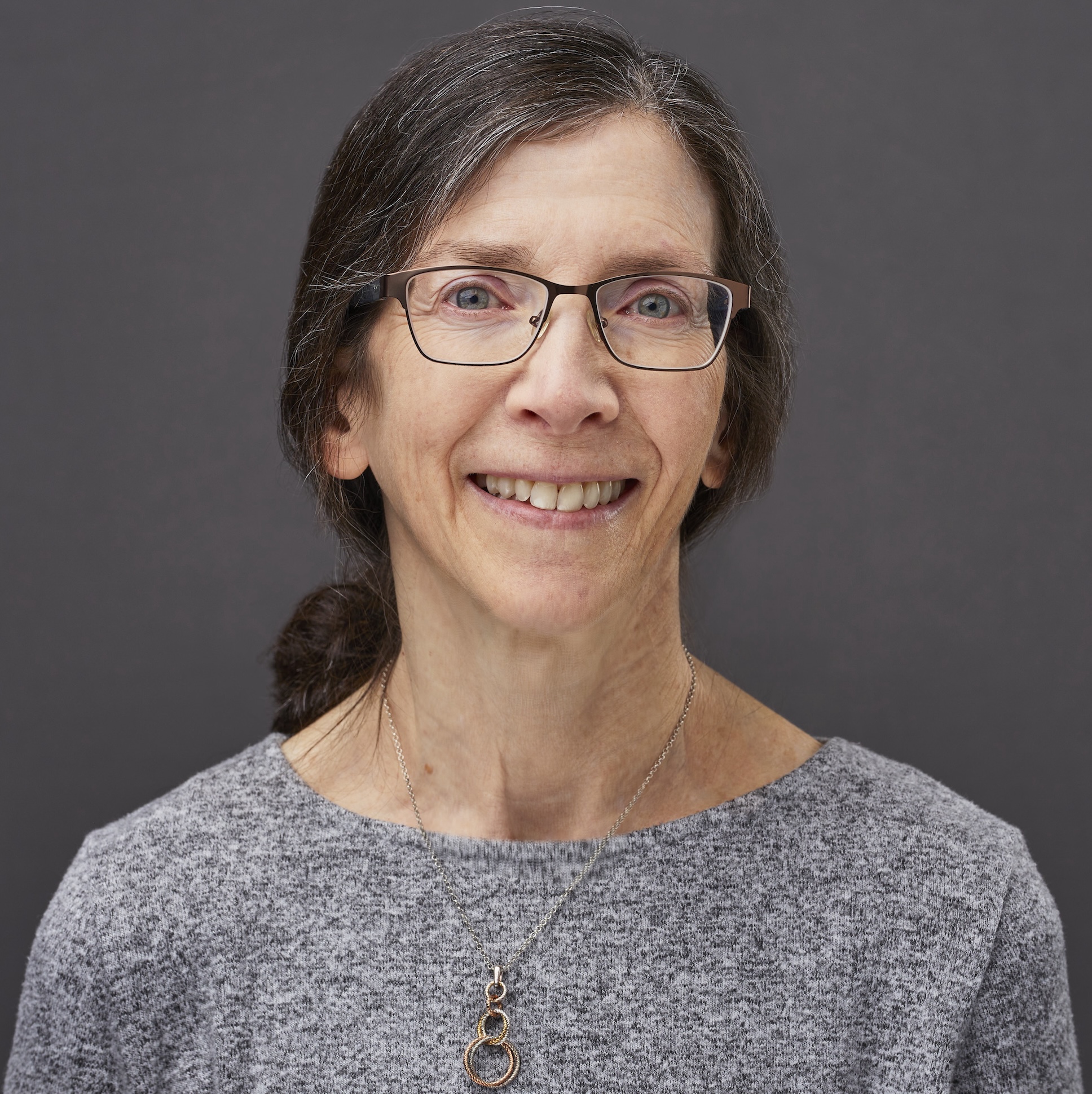
Dr. Nancy Fischbein is a Professor of Radiology at Stanford University, as well as a Professor by courtesy of Neurology, Neurosurgery, and Otolaryngology-Head and Neck Surgery. Dr. Fischbein is a dedicated educator, having lectured many times at ASNR, ASHNR, and RSNA, as well as presenting at numerous CME courses sponsored by her departments, first at UCSF and then at Stanford. Though she has lectured on a range of topics, she is best known for her lectures on head and neck related topics such as nasopharyngeal and oropharyngeal carcinoma; skull base anatomy, infection, and neoplasia; and cranial nerve dysfunction. Dr. Fischbein is also a dedicated mentor, having supervised numerous medical students, residents, and fellows over the past three decades as they have prepared educational and scientific presentations and publications.
Dr. Fischbein has been recognized for her educational accomplishments at both UCSF and at Stanford. As junior faculty at UCSF, she received multiple teaching awards from the Department of Otolaryngology-Head and Neck Surgery, as well as honorable mention for the University’s Distinction in Teaching Award. As faculty at Stanford, she has received teaching awards from the Departments of Neurology, Otolaryngology-Head and Neck Surgery, and Radiology, including 9 from the trainees in her own department. Dr. Fischbein is an active member of ASNR, RSNA, ASHNR, and ESHNR, and a Past President of ASHNR. Along with much service to societies, she has been honored to serve on RSNA’s RadioGraphics Neuroradiology Panel for many years, helping to review and select outstanding educational works to further knowledge in this subspecialty.
Dr. Fischbein’s research interests have focused on head and neck imaging, where she has published on many topics, including head and neck cancer, skull base tumors, and inner ear imaging. She has also published in cerebrovascular imaging, covering topics such as intracranial hemorrhage, coma, and ASL perfusion in the diagnosis and follow-up of dAVFs and AVMs, and in spinal cord imaging. She has published over 180 peer reviewed scientific and educational papers in her career. She also previously served as an AJNR Senior Editor, helping many authors shepherd their works to final publication.
Dr. Fischbein attended Harvard College where she studied Biochemistry. She received her M.D. degree from Harvard Medical School. She completed her training in both Diagnostic Radiology and Diagnostic Neuroradiology at the University of California-San Francisco.
ASNR Awards Roland Bammer, PhD, with the 2026 Outstanding Contributions in Research Award
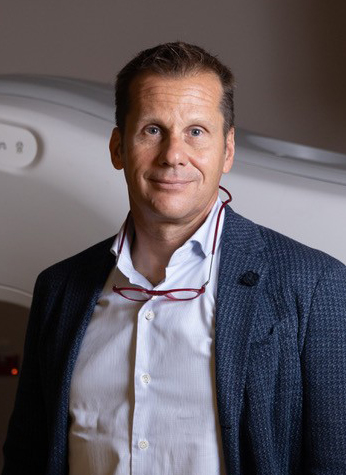
Dr. Roland Bammer is Chair of the Department of Radiology and Radiological Sciences at Monash University, Australia, and Deputy Program Director for Research and Education at Monash Radiology, Monash Health. He earned his undergraduate degree and PhD in Electrical Engineering from Graz University of Technology, Austria, and obtained his venia docendi in both Medical Physics and Biophysics from the Medical University of Graz. He is a Senior Fellow of the International Society for Magnetic Resonance in Medicine, a Distinguished Investigator of the American Academy of Radiology Research, and an Honorary Fellow of the Royal Australian and New Zealand College of Radiologists.
Dr. Bammer’s scientific contributions span the full spectrum of translational neuroradiology — from foundational work in high-resolution diffusion-weighted imaging of the neuroaxis and first-principles modeling of spinal cord diffusion and ischemia, to pioneering MR techniques in Multiple Sclerosis, real-time adaptive motion correction MRI, advanced perfusion and pharmacokinetic CT and MRI, and, more recently, AI-augmented imaging analytics. He has led numerous NIH R21 and R01 grants — including one continuously funded for over 15 years through two competitive renewals. He currently serves as Chief Investigator of the NHMRC Centre of Research Excellence in Neuroimaging, an MRFF for AI-based triage of CSDH and holds an NHMRC L3 Leadership Investigator Grant, Australia’s most prestigious research fellowship.
In parallel with his academic career, Dr. Bammer is co-founder of RapidAI — a global stroke imaging platform supporting approximately 6 million patients annually across more than 2,400 hospitals worldwide. He was instrumental in conceiving, developing, and bringing to market RapidAI’s algorithms — both classical and AI-augmented — for infarct core and ischemic penumbra quantification, LVO and MeVO detection, intracranial hemorrhage detection and volumetry, automated ASPECTS scoring, midline shift detection, and automated bone removal with 3D vessel reconstruction. Although publication of some work was constrained by journal conflict-of-interest policies, these technologies have supported more than 700 peer-reviewed publications — including 11 in the New England Journal of Medicine — over 1,000 clinical studies, and 25 randomized controlled trials. His contributions to landmark trials such as SWIFT-PRIME and DEFUSE 1–3 helped establish endovascular clot retrieval in neurointervention as a standard-of-care treatment for large vessel occlusion. Beyond innovation, he has personally trained hundreds of radiology centers and their staff worldwide in multimodal CT and MR stroke imaging — materially improving care coordination, workflow efficiency, and patient outcomes while reducing system-level strain. Dr. Bammer has authored over 260 peer-reviewed publications (h-index 93), more than 600 conference abstracts, 15 books and book chapters, and nearly 50 patents — many of which underpin tools used daily in clinical neuroradiology. He has delivered over 150 invited lectures internationally and has mentored numerous trainees and junior faculty — many of whom now lead successful academic and clinical programs of their own.